Ad
vv
LIVE
Thu, 20 Aug 2026
--°
Loading...

Latest News

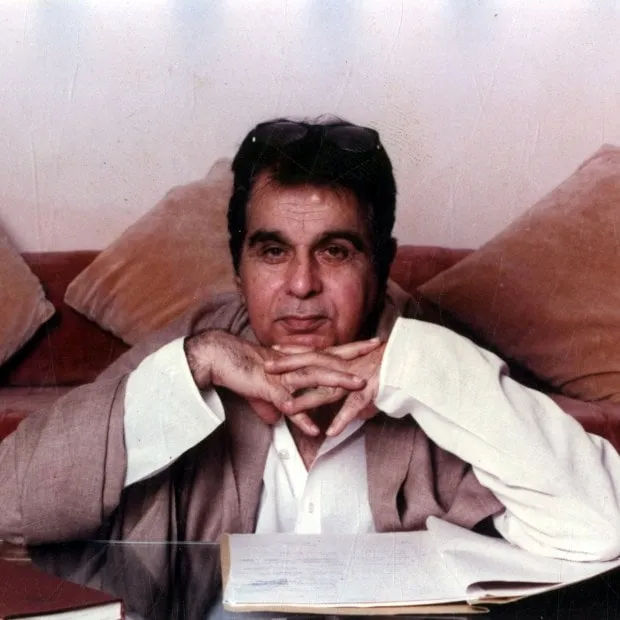
Dilip Kumar’s Kargil Peace Appeal and Bal Thackeray’s Fury: When Cinema, Patriotism, and Politics Collided  During the 1999 Kargil War, as India and Pakistan stood on the brink of a prolonged military conflict, one of Hindi cinema’s greatest legends, Dilip Kumar, found himself at the centre of a political storm. His attempt to promote peace between the two nations triggered a fierce backlash, most notably from Shiv Sena founder Bal Thackeray, who publicly questioned the actor’s loyalty to India.  Dilip Kumar’s Peace Initiative  Born Mohammad Yusuf Khan in Peshawar before Partition, Dilip Kumar had lived in India for over six decades and was widely regarded as a symbol of Indian cinema’s golden era. Amid the intense nationalism and grief surrounding the Kargil conflict, the veteran actor reportedly expressed a desire to help reduce tensions between India and Pakistan through dialogue and cultural engagement.  His stance was rooted in his personal history — having witnessed Partition firsthand — and his long-held belief that people-to-people contact could soften hostility between the two nations.  Political Outrage in Mumbai  At a time when Indian soldiers were fighting and dying in the icy heights of Kargil, Dilip Kumar’s remarks were seen by some as ill-timed and insensitive. Bal Thackeray reacted sharply, accusing the actor of undermining national sentiment. In a strongly worded statement, Thackeray suggested that if Dilip Kumar felt so strongly about Pakistan, he should consider leaving India.  The comment — “After 65 years of being here…” — became emblematic of the anger directed at the actor, questioning how someone who had benefited from India could speak of reconciliation during wartime.  Industry and Public Response  The controversy divided public opinion. Many in the film industry came out in support of Dilip Kumar, pointing to his long contribution to Indian cinema, his Padma awards, and his role as a cultural icon. They argued that advocating peace did not equate to disloyalty.  Others, however, felt that national security and military morale had to take precedence over calls for dialogue during an active conflict.  A Larger Debate on Identity and Nationalism  The episode reflected a deeper fault line in Indian society — the tension between cultural pluralism and aggressive nationalism. Dilip Kumar’s identity as a Muslim actor with roots in pre-Partition India became central to the debate, raising uncomfortable questions about belonging, patriotism, and who gets to speak for peace.  Aftermath and Legacy  Despite the controversy, Dilip Kumar continued to be honoured by the Indian state, receiving the Padma Vibhushan and remaining a revered figure until his death in 2021. The incident, however, remains a reminder of how quickly public sentiment can turn when emotions run high during moments of national crisis.  Why the Episode Still Matters  Today, the Dilip Kumar–Bal Thackeray clash is often cited as an example of how art, politics, and identity intersect in India. It highlights the shrinking space for nuanced voices during periods of conflict and the personal cost faced by public figures who choose conciliation over confrontation.  In retrospect, the episode underscores a timeless dilemma: whether calls for peace can coexist with patriotism during war — and who gets to decide the answer.
LATEST NEWS • Jan 17, 2026

Dilip Kumar’s Kargil Peace Appeal and Bal Thackeray’s Fury: When Cinema, Patriotism, and Politics Collided During the 1999 Kargil War, as India and Pakistan stood on the brink of a prolonged military conflict, one of Hindi cinema’s greatest legends, Dilip Kumar, found himself at the centre of a political storm. His attempt to promote peace between the two nations triggered a fierce backlash, most notably from Shiv Sena founder Bal Thackeray, who publicly questioned the actor’s loyalty to India. Dilip Kumar’s Peace Initiative Born Mohammad Yusuf Khan in Peshawar before Partition, Dilip Kumar had lived in India for over six decades and was widely regarded as a symbol of Indian cinema’s golden era. Amid the intense nationalism and grief surrounding the Kargil conflict, the veteran actor reportedly expressed a desire to help reduce tensions between India and Pakistan through dialogue and cultural engagement. His stance was rooted in his personal history — having witnessed Partition firsthand — and his long-held belief that people-to-people contact could soften hostility between the two nations. Political Outrage in Mumbai At a time when Indian soldiers were fighting and dying in the icy heights of Kargil, Dilip Kumar’s remarks were seen by some as ill-timed and insensitive. Bal Thackeray reacted sharply, accusing the actor of undermining national sentiment. In a strongly worded statement, Thackeray suggested that if Dilip Kumar felt so strongly about Pakistan, he should consider leaving India. The comment — “After 65 years of being here…” — became emblematic of the anger directed at the actor, questioning how someone who had benefited from India could speak of reconciliation during wartime. Industry and Public Response The controversy divided public opinion. Many in the film industry came out in support of Dilip Kumar, pointing to his long contribution to Indian cinema, his Padma awards, and his role as a cultural icon. They argued that advocating peace did not equate to disloyalty. Others, however, felt that national security and military morale had to take precedence over calls for dialogue during an active conflict. A Larger Debate on Identity and Nationalism The episode reflected a deeper fault line in Indian society — the tension between cultural pluralism and aggressive nationalism. Dilip Kumar’s identity as a Muslim actor with roots in pre-Partition India became central to the debate, raising uncomfortable questions about belonging, patriotism, and who gets to speak for peace. Aftermath and Legacy Despite the controversy, Dilip Kumar continued to be honoured by the Indian state, receiving the Padma Vibhushan and remaining a revered figure until his death in 2021. The incident, however, remains a reminder of how quickly public sentiment can turn when emotions run high during moments of national crisis. Why the Episode Still Matters Today, the Dilip Kumar–Bal Thackeray clash is often cited as an example of how art, politics, and identity intersect in India. It highlights the shrinking space for nuanced voices during periods of conflict and the personal cost faced by public figures who choose conciliation over confrontation. In retrospect, the episode underscores a timeless dilemma: whether calls for peace can coexist with patriotism during war — and who gets to decide the answer.

During the 1999 Kargil War, as India and Pakistan stood on the brink of a prolonged military conflict, one of Hindi cinema’s greatest legends, Dilip Kumar, found himself at the…

The Media Times.Live
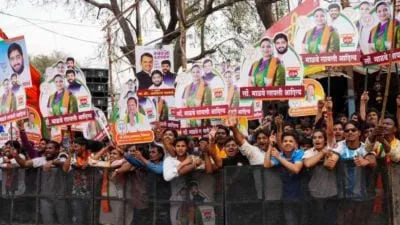
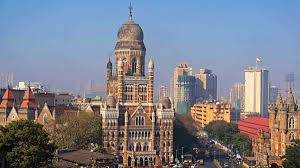
As BJP Wins BMC Qila, Why the Echoes of Its Civic Poll Success Will Travel Far Beyond Maharashtra  The Bharatiya Janata Party’s (BJP) victory in the Brihanmumbai Municipal Corporation (BMC) elections marks more than just a local political win. By breaching what was long considered the Shiv Sena’s impregnable civic stronghold, the BJP has delivered a signal that is likely to reshape political calculations not only in Maharashtra but across the country.  Why the BMC Matters  The BMC is India’s richest municipal body, controlling an annual budget larger than that of several Indian states. Political dominance over the corporation translates into influence over urban infrastructure, contracts, employment networks, and grassroots mobilisation in Mumbai — the country’s financial capital.  For decades, the BMC served as the organisational and financial backbone of the undivided Shiv Sena. BJP’s success here effectively dismantles that legacy, altering the balance of power in Maharashtra’s urban politics.  A Psychological Breakthrough  Beyond administrative control, the BJP’s win represents a psychological victory. Capturing a “qila” (fortress) that resisted the party for years sends a strong message to allies and rivals alike: no political bastion is beyond reach.  This outcome reinforces the BJP’s narrative of electoral inevitability and organisational superiority, especially in urban centres where issues of governance, infrastructure, and development tend to outweigh identity-based politics.  Implications for Maharashtra Politics  The result is a setback for the Shiv Sena factions, both of which banked on emotional connect and Marathi identity to retain control over Mumbai’s civic body. Their defeat may intensify internal churn and weaken their bargaining power in future alliances.  For the ruling coalition in Maharashtra, the BMC win strengthens the BJP’s hand ahead of upcoming Assembly and Lok Sabha elections, allowing it to dictate alliance terms more assertively.  Ripple Effects Beyond the State  Nationally, the victory boosts BJP’s urban governance credentials at a time when civic issues such as housing, transport, sanitation, and climate resilience are becoming central to voter concerns. It also provides a template for the party to challenge entrenched regional forces in other metropolitan regions like Chennai, Hyderabad, and Kolkata.  Opposition parties are likely to reassess their strategies, especially where municipal bodies serve as power bases for regional leadership.  Organisational Signal Ahead of 2026  The BMC result highlights the BJP’s ability to convert long-term groundwork into electoral success, even in areas historically dominated by rivals. It signals the party’s readiness to expand aggressively in urban India, positioning itself strongly for the next electoral cycle.  The Larger Message  Ultimately, BJP’s BMC triumph is not just about Mumbai. It underscores a shift in how urban voters respond to governance promises, leadership narratives, and organisational strength — a shift that could influence civic and state elections across India in the years ahead.
LATEST NEWS • Jan 17, 2026

As BJP Wins BMC Qila, Why the Echoes of Its Civic Poll Success Will Travel Far Beyond Maharashtra The Bharatiya Janata Party’s (BJP) victory in the Brihanmumbai Municipal Corporation (BMC) elections marks more than just a local political win. By breaching what was long considered the Shiv Sena’s impregnable civic stronghold, the BJP has delivered a signal that is likely to reshape political calculations not only in Maharashtra but across the country. Why the BMC Matters The BMC is India’s richest municipal body, controlling an annual budget larger than that of several Indian states. Political dominance over the corporation translates into influence over urban infrastructure, contracts, employment networks, and grassroots mobilisation in Mumbai — the country’s financial capital. For decades, the BMC served as the organisational and financial backbone of the undivided Shiv Sena. BJP’s success here effectively dismantles that legacy, altering the balance of power in Maharashtra’s urban politics. A Psychological Breakthrough Beyond administrative control, the BJP’s win represents a psychological victory. Capturing a “qila” (fortress) that resisted the party for years sends a strong message to allies and rivals alike: no political bastion is beyond reach. This outcome reinforces the BJP’s narrative of electoral inevitability and organisational superiority, especially in urban centres where issues of governance, infrastructure, and development tend to outweigh identity-based politics. Implications for Maharashtra Politics The result is a setback for the Shiv Sena factions, both of which banked on emotional connect and Marathi identity to retain control over Mumbai’s civic body. Their defeat may intensify internal churn and weaken their bargaining power in future alliances. For the ruling coalition in Maharashtra, the BMC win strengthens the BJP’s hand ahead of upcoming Assembly and Lok Sabha elections, allowing it to dictate alliance terms more assertively. Ripple Effects Beyond the State Nationally, the victory boosts BJP’s urban governance credentials at a time when civic issues such as housing, transport, sanitation, and climate resilience are becoming central to voter concerns. It also provides a template for the party to challenge entrenched regional forces in other metropolitan regions like Chennai, Hyderabad, and Kolkata. Opposition parties are likely to reassess their strategies, especially where municipal bodies serve as power bases for regional leadership. Organisational Signal Ahead of 2026 The BMC result highlights the BJP’s ability to convert long-term groundwork into electoral success, even in areas historically dominated by rivals. It signals the party’s readiness to expand aggressively in urban India, positioning itself strongly for the next electoral cycle. The Larger Message Ultimately, BJP’s BMC triumph is not just about Mumbai. It underscores a shift in how urban voters respond to governance promises, leadership narratives, and organisational strength — a shift that could influence civic and state elections across India in the years ahead.

The Bharatiya Janata Party’s (BJP) victory in the Brihanmumbai Municipal Corporation (BMC) elections marks more than just a local political win. By breaching what was long considered the Shiv Sena’s…

The Media Times.Live
Vijay-Starrer Jana Nayagan’s Supreme Court Hearing to Take Place Today  The Supreme Court is scheduled to hear a petition related to the Tamil film Jana Nayagan, starring actor-politician Vijay, later today. The case has drawn attention due to the film’s political undertones and the public profile of its lead actor.  According to legal sources, the hearing is expected to focus on objections raised against certain aspects of the film, including its title, content, or alleged political implications. The plea has reportedly sought directions regarding certification, release, or regulatory scrutiny of the movie.  Background of the Case  Jana Nayagan, which translates to “People’s Leader,” has been in the spotlight since its announcement, with supporters viewing it as Vijay’s potential final on-screen appearance before fully entering active politics. Critics, however, have argued that the film blurs the line between cinema and political messaging.  Earlier proceedings in lower courts led to the matter being escalated to the Supreme Court, which agreed to examine the issue.  What the Court May Consider  Legal experts say the court may look into:  Whether the petition raises constitutional or statutory concerns  The role of the Central Board of Film Certification (CBFC)  Freedom of expression versus electoral and political neutrality  The outcome of today’s hearing could determine whether the film faces further legal hurdles or is allowed to proceed without restrictions.  Awaiting Clarity  The filmmakers and Vijay’s representatives have not issued a fresh public statement ahead of the hearing. Industry watchers and fans are closely tracking developments, as the verdict may have implications not just for Jana Nayagan, but also for politically themed cinema in India.  Further details are expected once the Supreme Court proceedings conclude.
LATEST NEWS • Jan 15, 2026

Vijay-Starrer Jana Nayagan’s Supreme Court Hearing to Take Place Today The Supreme Court is scheduled to hear a petition related to the Tamil film Jana Nayagan, starring actor-politician Vijay, later today. The case has drawn attention due to the film’s political undertones and the public profile of its lead actor. According to legal sources, the hearing is expected to focus on objections raised against certain aspects of the film, including its title, content, or alleged political implications. The plea has reportedly sought directions regarding certification, release, or regulatory scrutiny of the movie. Background of the Case Jana Nayagan, which translates to “People’s Leader,” has been in the spotlight since its announcement, with supporters viewing it as Vijay’s potential final on-screen appearance before fully entering active politics. Critics, however, have argued that the film blurs the line between cinema and political messaging. Earlier proceedings in lower courts led to the matter being escalated to the Supreme Court, which agreed to examine the issue. What the Court May Consider Legal experts say the court may look into: Whether the petition raises constitutional or statutory concerns The role of the Central Board of Film Certification (CBFC) Freedom of expression versus electoral and political neutrality The outcome of today’s hearing could determine whether the film faces further legal hurdles or is allowed to proceed without restrictions. Awaiting Clarity The filmmakers and Vijay’s representatives have not issued a fresh public statement ahead of the hearing. Industry watchers and fans are closely tracking developments, as the verdict may have implications not just for Jana Nayagan, but also for politically themed cinema in India. Further details are expected once the Supreme Court proceedings conclude.

The Supreme Court is scheduled to hear a petition related to the Tamil film Jana Nayagan, starring actor-politician Vijay, later today. The case has drawn attention due to the film’s…

The Media Times.Live
Podcast

The Media Times Daily — a 10-minute audio brief.

Hosted by our senior editors, every weekday morning.

Listen now
Video

Explainers, ground reports and long-form documentaries.

Original programming produced by The Media Times.Live studios.

Watch on YouTube